Veneers vs No-Prep vs Bonding: Katy Smile Guide
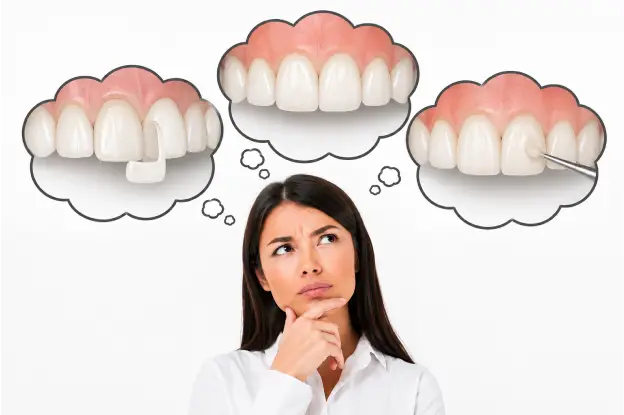
When you are trying to improve your smile, the hardest part is often not deciding that you want change, it is choosing the right level of treatment. If you have been searching for porcelain veneers in Katy and also seeing "no-prep veneers" and "bonding" in your results, you are not alone.
All three can improve the look of chips, gaps, uneven edges, and discoloration, but they are not interchangeable. The best choice depends on how much change you need, how long you want it to last, and how conservative you want to be with your tooth structure.
TL;DR - How To Pick The Right Smile Fix In Katy
Porcelain veneers, no-prep veneers, and bonding can all create a more confident smile, but they fit different goals and tooth conditions. A consult helps confirm what will look natural and function well with your bite.
- Bonding is often the most conservative for small chips and minor gaps, but it can stain or chip sooner than porcelain.
- No-prep veneers can be conservative, but only work when adding thickness will not make teeth look bulky.
- Porcelain veneers are a strong option for bigger cosmetic changes and more stain resistance, but typically involve enamel reshaping.
- Ask about longevity, maintenance, and "what if it chips?" before choosing.
If you want to review the broader range of cosmetic dentistry options, our service page outlines other ways to brighten or reshape a smile.
What Each Option Really Means (In Plain English)
Porcelain Veneers
Porcelain veneers are thin, custom ceramic shells that cover the front surface of a tooth. They are designed to change color, shape, and sometimes mild alignment appearance. Because porcelain is strong and stain-resistant, it is often chosen for patients who want a more significant, long-lasting cosmetic upgrade.
If you are specifically researching porcelain veneers in Katy, TX, that page explains what veneers are and the common concerns they address. This article is focused on choosing between veneers and other conservative alternatives.
No-Prep Veneers
No-prep veneers are a veneer style that aims to reduce little to no enamel. They can be a great fit in select situations (for example, when teeth are slightly small or there is enough room to add a thin layer without affecting your bite). They are not automatically "better" than traditional veneers because the design still has to look natural and feel comfortable.
Dental Bonding (Composite Bonding)
Bonding uses tooth-colored composite resin that is shaped and polished directly on the tooth. It is commonly used to repair small chips, close modest gaps, improve edges, and blend minor discoloration. Many patients like bonding because it can be conservative and can often be completed quickly, depending on the case.
Our bonding and contouring page covers how composite can improve shape and appearance when the changes needed are relatively small.
Porcelain Veneers In Katy: Who They Tend To Help Most
Patients often lean toward porcelain when they want a bigger "overall" improvement across several teeth, especially when shade change and symmetry are priorities. In our team's experience, veneer cases go best when the plan considers both appearance and function, meaning the new edges and contours fit comfortably with the way you bite and speak.
- Stubborn staining that does not respond to whitening or keeps returning.
- Multiple teeth with chips, uneven edges, or shape differences you want to unify.
- Noticeable gaps where closing space with bonding could require too much composite bulk.
- Worn teeth where you want a more balanced look (after evaluating underlying causes like grinding).
A Quick Comparison Matrix (Longevity, Reversibility, And Maintenance)
These general guidelines can help you self-screen before a consult. Your dentist will still confirm what is healthiest for your enamel, gumline, and bite.
Longevity (How Long It Can Last)
- Porcelain veneers: Typically chosen for longer-term durability and stain resistance.
- No-prep veneers: Can last well in the right case, but case selection is critical for a stable fit.
- Bonding: Can look great, but composite is more likely to stain and chip over time, especially on biting edges.
Reversibility (How Much Tooth Structure Changes)
- Bonding: Often more conservative and may be easier to modify or replace later.
- No-prep veneers: Intended to be conservative, but not every case can truly be "no-prep."
- Porcelain veneers: Commonly require enamel reshaping, so it is usually a long-term commitment.
Maintenance (What You Will Need To Do)
- All options benefit from consistent hygiene and regular exams/cleanings.
- If you clench or grind, ask whether a nightguard is recommended to protect your investment.
- Expect occasional polishing or touch-ups over time, especially with bonding.
Common Smile Concerns And Which Option Often Fits Best
Competitor comparison posts often oversimplify this into "bonding is cheap, veneers are expensive." A more helpful way is to match the treatment to your specific concern and how dramatic the change needs to be.
1) One Small Chip On A Front Tooth
Often a bonding-first conversation. If the chip is small and your bite does not hit that edge aggressively, bonding can be a conservative fix.
2) A Few Teeth With Worn, Uneven Edges
Bonding or veneers, depending on how many teeth and how much reshaping. If you want a uniform, high-gloss result that is resistant to staining, porcelain may be a better match.
3) Gaps Between Teeth
Bonding can work for small gaps. For larger spacing, veneers can close space while keeping tooth proportions natural. No-prep veneers can be an option if there is adequate room to add material without affecting your bite.
4) Discoloration That Whitening Does Not Fix
Veneers are often considered when stains are deep or uneven. If you are still exploring whitening first, our professional teeth whitening page explains how whitening can be used before cosmetic restorations so the final shade match is more predictable.
Questions To Ask At Your Consultation (Bring This List)
Whether you are comparing veneers in Katy or trying to decide if bonding is enough, these questions help you understand the tradeoffs clearly:
- How much enamel will be reshaped? Ask what "prep" means in your specific case.
- What will the result look like from different angles? Natural smiles are not just bright, they have realistic contours.
- How will my bite affect the choice? Edge-to-edge bite and grinding can change what is safest and most durable.
- What are the realistic maintenance needs? Ask about staining, chipping, and typical repair options.
- What are the alternatives? Sometimes a small orthodontic adjustment or whitening first can reduce how invasive a veneer plan needs to be.
If you would like to explore treatment planning with Dr. Samer Alatrach and our team, a cosmetic consult is the simplest way to see what will look natural on your smile and work with your bite.
FAQs
1. What is the difference between porcelain veneers and no-prep veneers?
Porcelain veneers typically require some enamel reshaping so the final result looks natural and not bulky. No-prep veneers aim to use little to no enamel reduction, but they only work in specific situations where adding material will not create an over-contoured look. A consult helps determine which option fits your bite, spacing, and smile goals.
2. Is bonding or veneers better for small chips?
For small chips, dental bonding can be a conservative, cost-friendly fix and is often completed quickly. Veneers may be the better choice when multiple teeth need a consistent shape and shade, or when you want higher stain resistance and longer-term durability. The best option depends on chip size, bite forces, and cosmetic goals.
3. Are veneers reversible?
Bonding is generally more reversible than traditional porcelain veneers because it often requires little to no enamel removal. Porcelain veneers commonly involve enamel reshaping, which is not fully reversible. No-prep veneers may be more conservative, but reversibility still depends on whether any enamel is altered and how the veneers fit.
4. Will veneers or bonding match the color of my natural teeth?
Yes, both can be color-matched. Porcelain veneers are made in a lab and can be customized for shade and translucency. Bonding uses tooth-colored composite that is layered and polished chairside. If you are considering whitening, it is often best to whiten first so restorations can be matched to your preferred bright shade.
5. How do I choose the right option for veneers in Katy?
Start by identifying your main concern (stains, gaps, chips, uneven edges) and how long you want the result to last. Ask about how much tooth structure must be changed, expected maintenance, and what happens if a restoration chips. Bring photos of smiles you like to your consult so your dentist can recommend porcelain veneers, no-prep veneers, or bonding based on your bite and goals.
Related Reading
- Porcelain Veneers in Katy, TX
- Bonding and Contouring
- Cosmetic Dentistry Services
- Professional Teeth Whitening
Conclusion: Choose The Option That Fits Your Smile And Your Bite
The "best" cosmetic option is the one that looks natural, feels comfortable, and fits your long-term expectations for maintenance. Bonding can be a great conservative fix. No-prep veneers can be ideal in the right case. Porcelain veneers are often the go-to when you want a more comprehensive, stain-resistant transformation.
If you are deciding between bonding and porcelain veneers in Katy, our team can walk you through the pros and cons for your specific teeth, then help you choose a plan you feel confident about.
Ready to talk through your options? Call Family Dental Corner at 832-980-9111 to schedule a cosmetic consultation.