Am I Still A Candidate For Dental Implants After Years Of Missing Teeth?
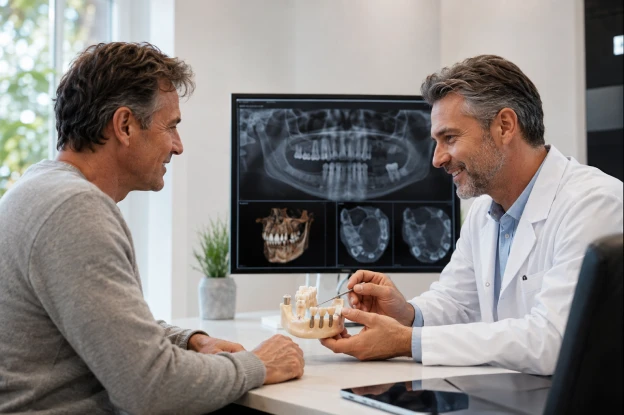
If you have lived with a missing tooth (or multiple missing teeth) for a long time, it is normal to wonder whether you have "waited too long" for implants. The good news is that many patients are still candidates, even after years. The more honest answer is: it depends on what has changed in your mouth since the tooth was lost.
This guide is written for patients exploring dental implants in Richmond and nearby communities like Katy, Rosenberg, Pecan Grove, and Greatwood, especially if you are comparing implants to dentures and want clear, practical candidacy answers.
TL;DR - Yes, Many Long-Term Gaps Can Still Be Treated
Dental implants can still be possible after years of missing teeth, but your plan may need to account for bone changes, gum health, and spacing. A consultation confirms what will be stable, comfortable, and realistic for your bite.
- Bone changes are common after tooth loss, but they do not automatically rule out implants.
- Gum health matters; gum inflammation or periodontal disease may need to be treated first.
- Teeth drifting and bite changes can affect implant spacing and restoration design.
- Medical history counts; certain conditions and medications may change timing or approach.
- You will leave a consult with options, including alternatives if implants are not the best fit today.
For a high-level overview of how implants work as a tooth replacement, visit our dental implants service page.
Why Missing Teeth For A Long Time Changes The Conversation
When a tooth is missing, the jawbone in that area often receives less stimulation. Over time, that can lead to changes in bone height or width. Meanwhile, neighboring teeth may tilt or drift, and the opposing tooth may shift as well. These are common, gradual changes, and we see them frequently in patients who have been "getting by" with a gap for years.
What This Means For You
- You may still be a candidate, but the implant plan may need to be more customized.
- The goal is not only placing an implant, but placing it where the final tooth will fit comfortably and be easy to clean.
- In some situations, it is safer to address gum health or spacing first so the outcome is more predictable.
Dental Implants Richmond: What A Candidacy Exam Actually Evaluates
Search results can make implant candidacy sound like a simple checklist. In real life, it is a combination of factors that work together. During an implant consultation, our team focuses on function and long-term maintainability, not just whether an implant can technically be placed.
1) Bone Level And Bone Shape
Bone volume helps support an implant in a stable position. If the ridge has changed since the tooth was lost, your dentist will consider whether there is enough bone for a stable foundation and a natural-looking final tooth.
2) Gum Health And Periodontal Stability
Inflamed gums or untreated periodontal disease can raise risk for complications around any tooth replacement. If your gums need attention first, our periodontal treatment page explains how gum disease is managed and why maintenance matters.
3) Space, Alignment, And Bite Forces
After long-term tooth loss, spacing can shrink as teeth drift. Your dentist will check whether there is enough room for a properly sized replacement tooth and whether your bite places heavy forces on that area.
4) Your Overall Health And Medications
Many patients can receive implants safely, but certain medical conditions, medications, and lifestyle factors may affect healing or timing. A candid conversation about your health history helps the plan fit you, not the other way around.
Signs You May Still Be A Good Candidate (Even If It Has Been Years)
While only an exam can confirm candidacy, these are common positive indicators:
- Your gums are generally healthy or you are willing to treat gum inflammation first.
- You have stable dental habits, including regular cleanings and home care.
- You want a fixed tooth replacement that looks and feels more like a natural tooth.
- You can commit to follow-up care, because long-term success depends on maintenance.
Common Reasons A Patient Might Need Extra Steps First
Needing an extra step does not mean implants are off the table. It often means we are trying to protect your outcome.
Bone Changes Since The Tooth Was Lost
It is common for bone to remodel after tooth loss. In our team's experience, patients who have had a gap for years are often surprised by how much planning goes into choosing an implant position that supports a natural bite and easy cleaning.
Shifting Teeth Or Reduced Space
If teeth have tipped into the space, the final implant crown may not fit ideally without addressing spacing. Your dentist will discuss whether the space can be managed restoratively or if you should consider other options.
Active Gum Disease Or High Inflammation
When gums bleed easily or there is ongoing periodontal infection, the first priority is creating a healthier environment. That foundation supports any replacement choice, implants included.
If Implants Are Not The Best Fit Today, What Are The Alternatives?
Implants are one of several ways to replace missing teeth. Some patients decide that another option fits their timeline or preferences better, or they choose a phased plan.
One common alternative is a removable option. Our partial and full dentures page outlines how dentures can replace multiple teeth and what to expect with fit and maintenance.
How To Prepare For Your Implant Consultation
If you are exploring dental implants in Katy or dental implants in Rosenberg but prefer a Richmond dental office, it helps to come prepared so you get clear, personalized recommendations.
- Bring your health and medication list. Even over-the-counter items matter.
- Write down your goals. For example: "fixed tooth," "improve chewing," or "stop hiding my smile."
- Note what has changed since you lost the tooth. New spacing, shifting, or sensitivity are helpful details.
- Ask about maintenance. Good implant outcomes include a realistic cleaning plan.
If dental anxiety has kept you from getting started, you are not alone. Our sedation dentistry page explains options for nervous patients and how we help make visits more manageable.
For patients who want to meet with Dr. Samer Alatrach, the next step is a consultation to review candidacy and tooth replacement options based on your specific mouth, not a generic checklist.
FAQs
Often, yes. Many people with long-term tooth loss can still be candidates for dental implants. The key is evaluating bone level and density, gum health, bite forces, spacing, and overall medical factors. If bone volume has changed, your dentist may discuss options that rebuild or work around the missing bone.
Over time, the jawbone in the area of a missing tooth can shrink and the nearby teeth can shift. This can change spacing and how your bite fits together. These changes do not automatically disqualify you, but they can affect the plan and whether additional steps are recommended to create a stable foundation.
A consultation typically includes a review of your dental and medical history, an exam of the gums and remaining teeth, measurements of the space, a bite evaluation, and imaging to assess bone and anatomy. Your dentist will then discuss treatment options, expected sequence of care, and alternatives such as dentures or other restorations.
Healthy gums are important because implants need a stable, clean environment for long-term support. If gum disease is present, your dentist may recommend periodontal treatment first to reduce inflammation and lower risk of complications.
If implants are not ideal right now, you may still have tooth replacement options such as partial or full dentures, or a plan that first addresses gum health, spacing, or other factors. Your dentist can outline a step-by-step approach based on what is healthiest and most predictable for you.
Related Reading
Conclusion: A Long-Standing Gap Does Not Automatically Disqualify You
Even if your tooth has been missing for years, you may still be a candidate for implants. The most important step is evaluating what has changed, bone, gums, spacing, and bite, so your replacement is stable and comfortable.
If you want a straightforward candidacy assessment and a clear plan for tooth replacement, call our team at 832-980-9111 to schedule a dental implant consultation.