Dental Implants: A Candidacy Guide in Richmond
Losing a tooth can change how you chew, how you speak, and how confident you feel when you smile. If you have been researching dental implants in Richmond, you have probably noticed that the internet is full of conflicting advice. This guide is designed to make the decision simpler for patients who are comparison-shopping and want straightforward answers.
TL;DR - What To Know Before You Choose Implants
Dental implants are a long-term tooth replacement option, but the best results come from matching the right implant option to your gums, bone support, and day-to-day habits. Patients from Richmond, Rosenberg, Katy, Pecan Grove, and Greatwood often start with the same question: "Am I a good candidate?"
- Many adults can qualify, even if they have had missing teeth for a while, but you need an exam and imaging.
- Gum health matters; active gum disease generally must be treated first.
- Bone support matters; some patients need a bone-building step before (or during) implant planning.
- There are options for one tooth, several teeth, or stabilizing dentures with implants.
- Maintenance is non-negotiable; implants need daily care and regular visits just like natural teeth.
If you want a service overview, our dental implants page explains the basic purpose and benefits of implants for patients across our nearby communities.
In our team's experience, patients feel less anxious about implants once they understand the two real decision points: (1) whether the mouth is healthy and stable enough for an implant to heal, and (2) which implant-supported solution actually matches their goals.
What Dental Implants Actually Are (Plain English)
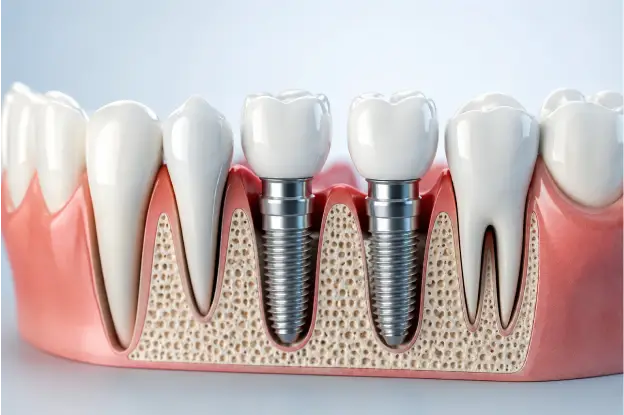
A dental implant is a small post placed in the jawbone that acts like a replacement root. After healing, it can support a crown (for one missing tooth) or help anchor a restoration that replaces multiple teeth. Many people like implants because they can feel stable and help preserve jawbone in the area of tooth loss.
Dental Implants In Richmond: The Biggest Factors That Affect Candidacy
When people ask if they are a candidate, they are usually asking if implants are safe, predictable, and worth it for their situation. Here are the most common factors that influence the answer.
1) Gum Health (Inflammation and Infection Have to Be Controlled)
Healthy gums create a healthier foundation for any restorative treatment. If you have signs of gum disease, it is typically important to address it first. Our periodontal treatment page explains how gum disease is treated and maintained, which is often part of getting "implant-ready."
2) Bone Support (Enough Volume and Density to Hold the Implant)
Jawbone can shrink in areas where a tooth has been missing. That does not automatically mean you cannot get implants. It means your dentist needs to evaluate whether there is enough bone for a stable foundation or whether a bone-support step should be considered as part of the plan.
3) Bite Forces (Clenching and Grinding)
If you clench or grind, your bite can place extra stress on both natural teeth and restorations. This does not always rule out implants, but it can affect what type of implant restoration is recommended and whether a protective appliance is suggested.
4) Health and Healing Factors
Some medical conditions and medications can affect healing. The safest approach is to share your full medical history and current medications at your consultation so your dentist can plan appropriately.
5) Smoking and Oral Hygiene Habits
Implants require consistent daily care. If brushing, flossing, or regular checkups have been hard to keep up with, that is important to discuss honestly. The goal is not judgment, it is choosing a plan you can maintain for the long run.
Which Implant Option Fits Your Missing-Tooth Situation?
One reason competitor pages perform well is they clearly match options to real patient scenarios. Here is a simple way to think about it if you are exploring dental implants in Rosenberg, Katy, Pecan Grove, Greatwood, or the Richmond area.
Single Missing Tooth
A single implant and crown can replace one tooth without relying on neighboring teeth for support. This is often appealing when the teeth on either side are healthy and you want to avoid altering them.
Several Missing Teeth in a Row
Depending on spacing and bite, implants can sometimes support a restoration that replaces multiple teeth. The plan focuses on stability, cleanability, and balancing chewing forces.
Many Missing Teeth or Loose Dentures
Some patients want to upgrade a removable denture so it feels more secure. Implant-supported dentures can help reduce shifting and improve confidence while eating and speaking. Our partial and full dentures page provides context on denture options, including when implants may be part of the conversation.
Implants vs Bridges vs Dentures: How Patients Usually Decide
Here is a practical comparison patients often use when they are deciding what is worth it.
- When stability is the top priority: patients often ask about implants first.
- When treatment speed is the top priority: a bridge or denture may be discussed depending on the case.
- When you want to avoid working on adjacent teeth: an implant-supported crown may be appealing.
- When budget is the main constraint: there may be multiple staged options to discuss during planning.
What Your Consultation Should Cover (So You Leave With a Clear Plan)
A good implant consultation should feel like a decision-making visit, not a sales pitch. Consider bringing a short list of questions so you can compare options confidently.
- What is my diagnosis? What caused the tooth loss, and is that issue resolved?
- What options do I have? Ask for implant and non-implant alternatives where appropriate.
- What are the decision points? For example, gum health treatment first, bone support needs, or bite considerations.
- How will maintenance work? What home care tools are recommended and how often should you come in?
- What is the timeline in my case? Not a generic timeline, but your sequence of steps.
If you feel nervous about dental care in general, you are not alone. Many patients prefer a calmer, step-by-step approach. You can learn about comfort options on our dentist for nervous patients (sedation) page.
For implant questions, you can also ask to speak with Dr. Samer Alatrach as part of planning so you understand which option best fits your mouth and your goals.
FAQs
1. Who is a good candidate for dental implants?
Many adults with one or more missing teeth can be candidates for implants if their gums are healthy enough, there is adequate bone (or bone can be rebuilt), and overall health supports healing. The only way to know for sure is with an exam and imaging so the plan is based on your anatomy, not a guess.
2. Can I get dental implants if I have gum disease?
Gum disease generally needs to be treated and stabilized before implants are placed. Ongoing infection around the gums can increase the risk of complications. After periodontal care and consistent home hygiene, implants may still be possible depending on bone and gum health.
3. Do dental implants hurt?
Most patients say implant treatment is more manageable than they expected. Numbing and comfort measures are used during care. Afterward, some soreness is normal for a few days and is often handled with recommended medications and aftercare instructions.
4. How long do dental implants last?
Implants are designed to be a long-term option, but longevity varies. Daily brushing and flossing, regular dental visits, gum health, and bite forces (including clenching/grinding) all affect how an implant holds up over time. Your dentist will review the maintenance steps that matter most for you.
5. What is the difference between a dental implant and a bridge or denture?
An implant replaces the root with a post in the jawbone and can support a crown or denture without relying on neighboring teeth. A bridge typically uses adjacent teeth for support, and a denture is removable (or may be implant-supported). The best option depends on your goals, anatomy, and budget.
6. How do I start the dental implant process?
Start with a consultation to review your health history, evaluate gum and bone support, and discuss options (single tooth, multiple teeth, or implant-supported dentures). From there, you should receive a personalized treatment plan with clear next steps and a timeline tailored to your case.
Related Reading
- Dental Implants Service Page
- Partial and Full Dentures
- Periodontal (Gum Disease) Treatment
- Sedation Dentistry for Nervous Patients
- Contact Us
Conclusion: A Confident Next Step Is a Personalized Evaluation
If you are deciding between bridges, dentures, or dental implants in the Richmond area, the most helpful next step is a candid discussion about your gum health, bone support, and what you want your smile to do for you day to day. The right plan should feel clear and realistic, not rushed.
Ready to talk through your options for tooth replacement? Call our team at 832-980-9111 to schedule an implant consultation.